



Learn Buying Advice
Buying Advice
Choosing between models, cushion levels, capacities and cuts. We have already narrowed the range down. These guides explain how we did it, so you can tell which one is yours.
Recovery Footwear, Explained
Recovery footwear does one useful thing: it takes load off feet that have just done a lot of work. It is not a treatment for anything. It is comfor...
How Much Vest Do You Need? A Capacity Guide
Capacity is usually decided by mandatory gear, not by fluid. Once a seam-sealed jacket, a thermal and a survival bag have to travel with you, the v...
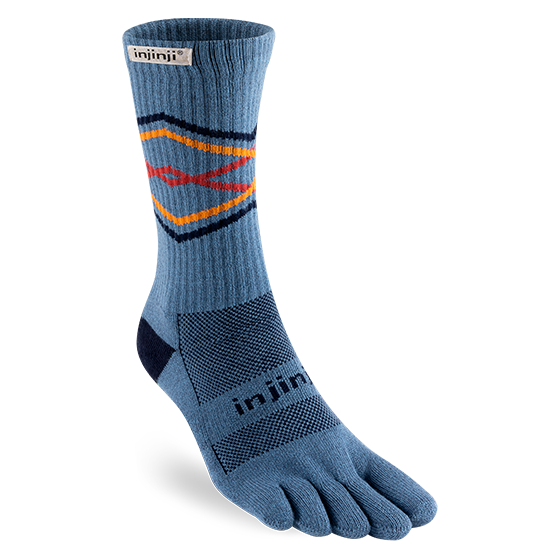
Injinji or Feetures? Two Different Answers to the Blister Problem
Injinji separates your toes so skin cannot rub on skin. Feetures builds a left-right anatomical sock that works by not moving at all. Both answer b...
Low Drop and Zero Drop, Explained
Drop is the height difference between heel and forefoot. Lower is not better: it is different, and it moves load from your knees toward your calves...
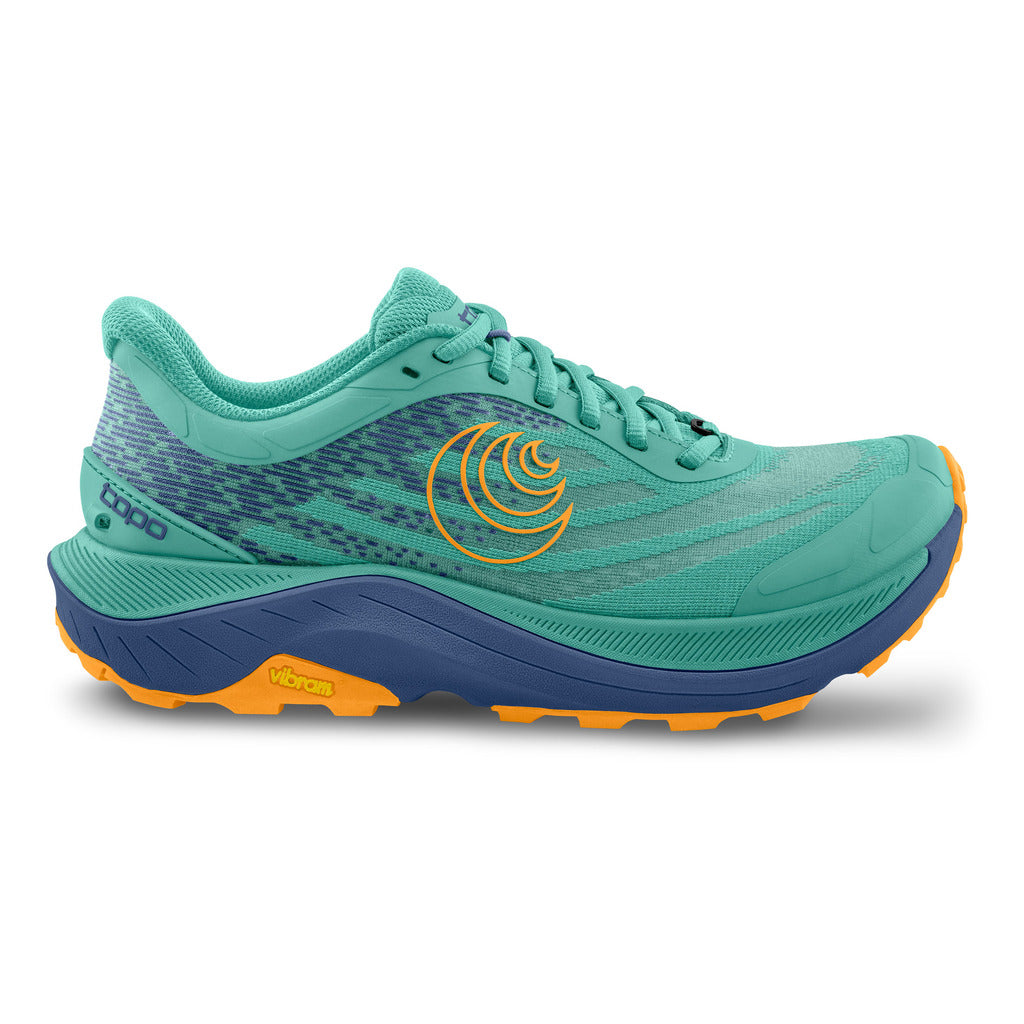
How to Choose a Topo Road Shoe
Topo road shoes split by how much cushion sits under you and how low the drop goes. Pick the cushion level for your distance first, then the drop f...
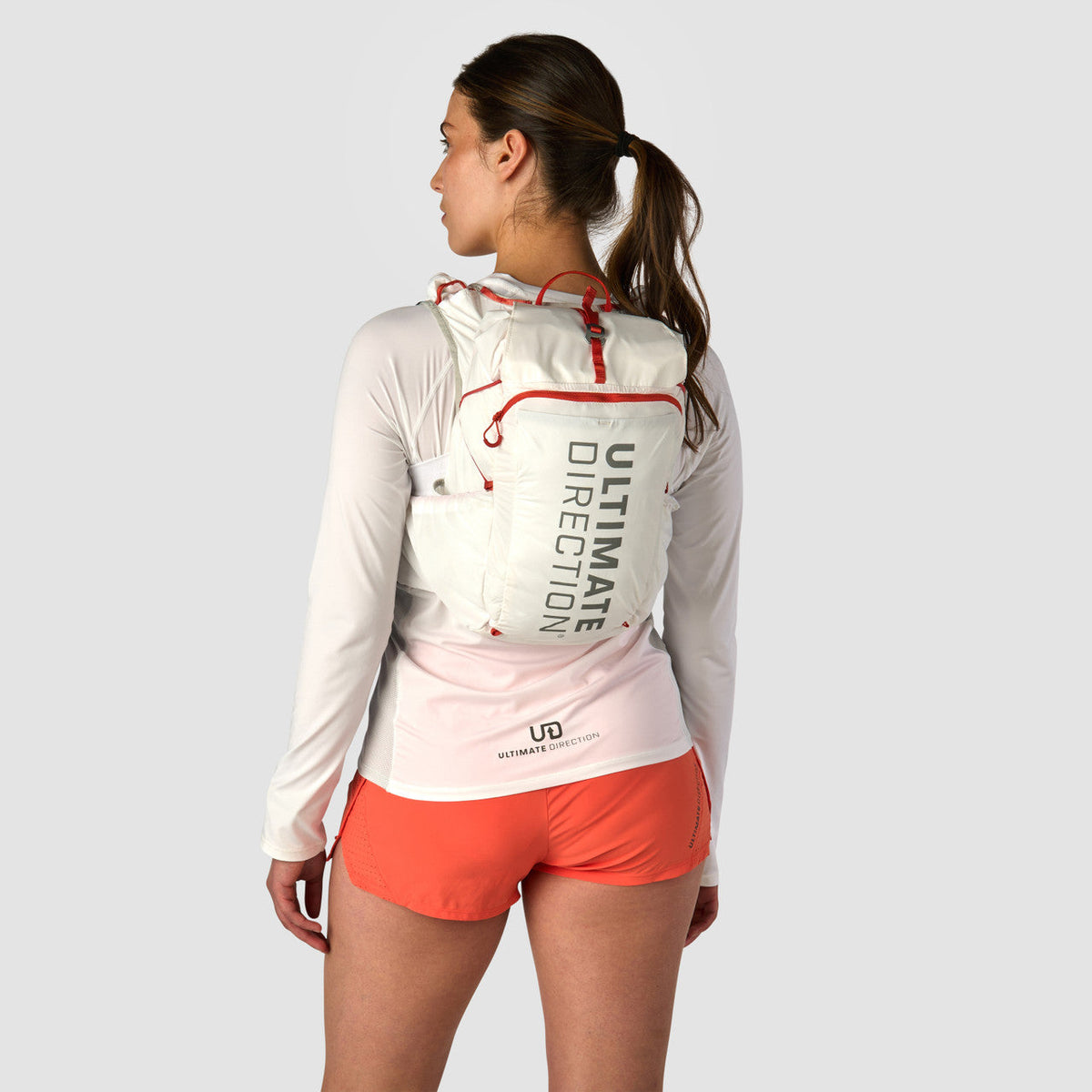
The Running Vest, Explained: How to Choose and Fit One
A vest should not move. Get the fit right and capacity becomes a straightforward question of what your event makes you carry.
Running Socks Matter More Than You Think
A sock is the only thing between your foot and the shoe you just spent real money on. Height, weight and whether it holds its shape when wet do mor...
How to Choose Trail Running Shoes for New Zealand Terrain
Grip, rock protection and how much shoe you want under you, in that order. New Zealand trail is wetter, rootier and more variable than most of what...
Ask the team
Rather talk it through?
Call, email or come in. The people answering are the ones doing the fitting. We reply within one business day, usually faster.