



Find Your Path tool
Footwear Compare
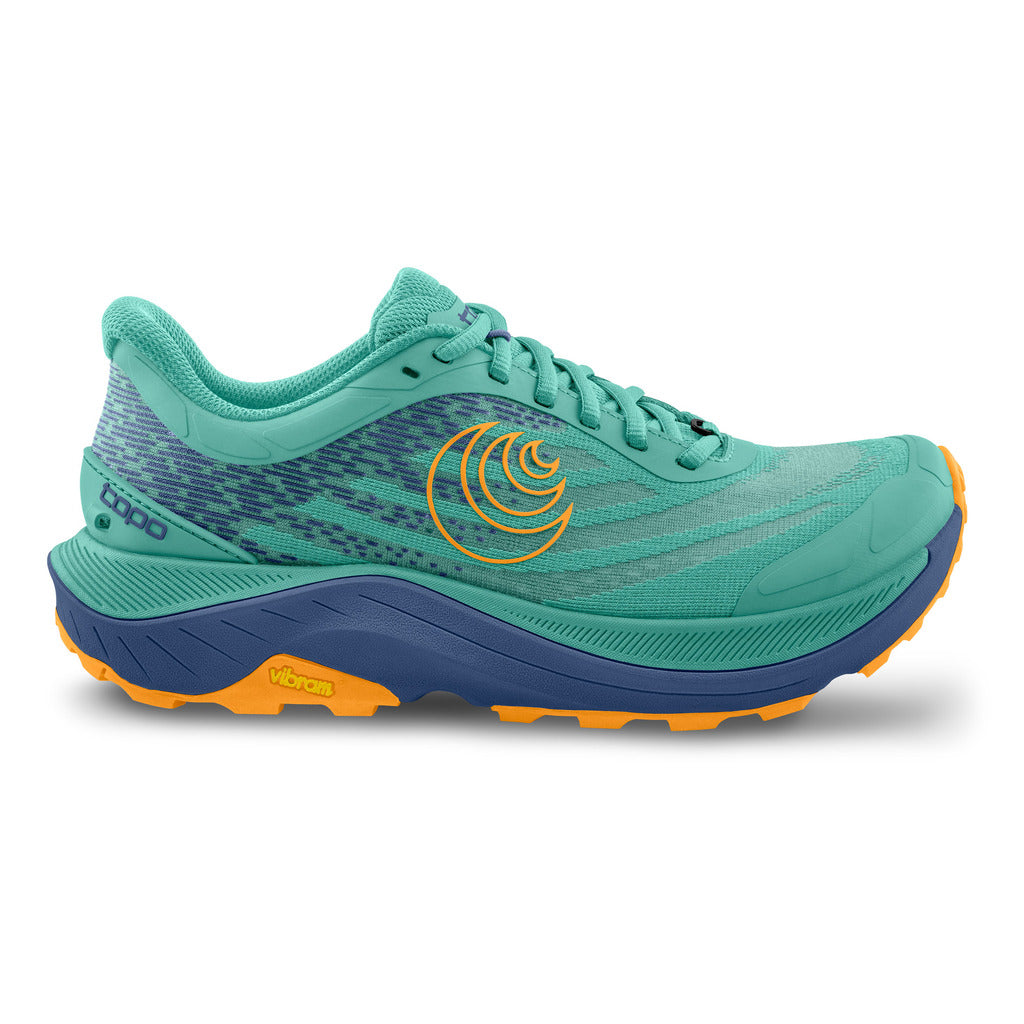
Every Topo and OOFOS we range, side by side: drop, stack, weight, cushioning, grip compound and width on one table — with the trade-offs explained in plain English, not marketing.
41 products ready to compare · like-for-like guardrails on
Good to know
What does heel-to-toe drop mean?
Drop is the height difference between your heel and forefoot. Lower drop loads the calf and Achilles more and suits runners who like a natural transition — but give your body time to adapt when stepping down. Higher drop shifts work toward the knees and feels more traditional. Every Topo sits between 0 and 5 mm, so the whole range is on the natural end.
Is a higher stack always more comfortable?
Higher stack adds cushioning and rock protection, but reduces ground feel and can feel less planted on technical terrain. Lower stack is more connected and precise, at the cost of plushness on long days. Neither is better — it's a trade-off the comparison table makes visible.
Why do all Topo shoes look wide at the front?
Topo builds on a foot-shaped last: a roomy toe box that lets toes splay naturally, matched with a secure midfoot and heel. Room where your foot is widest doesn't mean a sloppy fit where it matters.
Are deeper lugs always better on trail?
Deeper lugs bite into soft, loose or muddy ground, but feel lumpy and wear faster on hard-packed trail and road. Match the outsole to the ground you actually run — the Grip row in the comparison states both the level and the rubber compound.
Road shoe or trail shoe for mixed runs?
Mostly sealed with a little tame trail: a road shoe copes fine. Mostly trail: take the trail shoe — the road sections just polish the lugs sooner. The Mixed road + light trail preset above puts the honest middle options side by side.