




A Find Your Path gear guide, written by the team behind the Taupō showroom counter.
New Zealand trails don't behave like the trails most shoes are designed on. In a single hour you can cross greasy clay, tree roots, loose pumice and a river crossing, and the shoe that felt brilliant on hardpack can feel like a liability in all four. Here's how we think about trail shoes when someone walks into the showroom with a race, a tramping trip or just a favourite loop in mind.
Start with grip, but be honest about your terrain
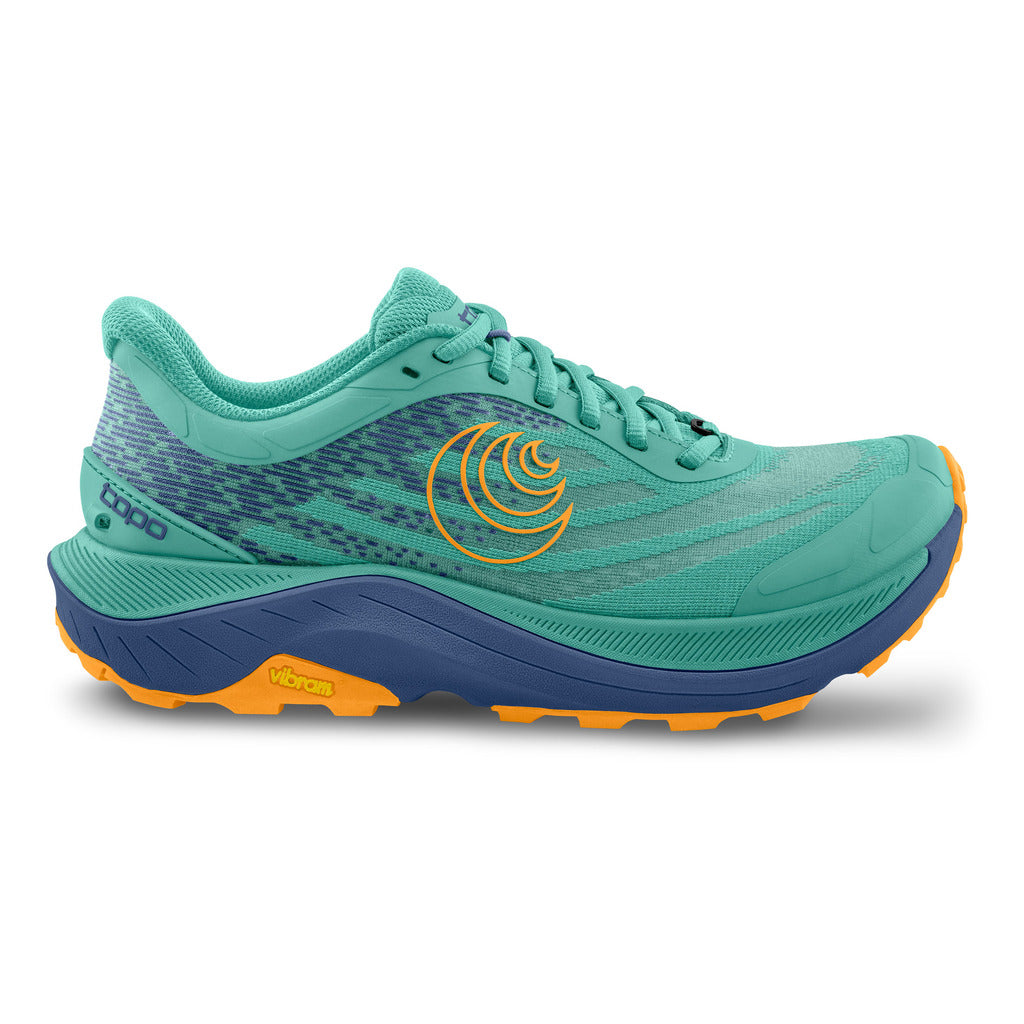
Lug depth is the quickest way to read a trail shoe. As a rule of thumb: 2–3 mm lugs suit dry, groomed or rocky trails and gravel roads; 4–5 mm starts to make sense in soft ground and proper mud. Deeper isn't automatically better: big lugs feel wooden on firm ground and wear fast if your run starts with road kilometres.
Rubber compound matters as much as lug shape. Softer, stickier compounds hold on wet rock and roots but wear quicker; harder compounds last longer and slide sooner. If most of your running is around the Central Plateau's pumice and forest singletrack, a mid-depth lug on a reasonably sticky compound covers the widest range of days.
Drainage beats waterproofing (for runners)
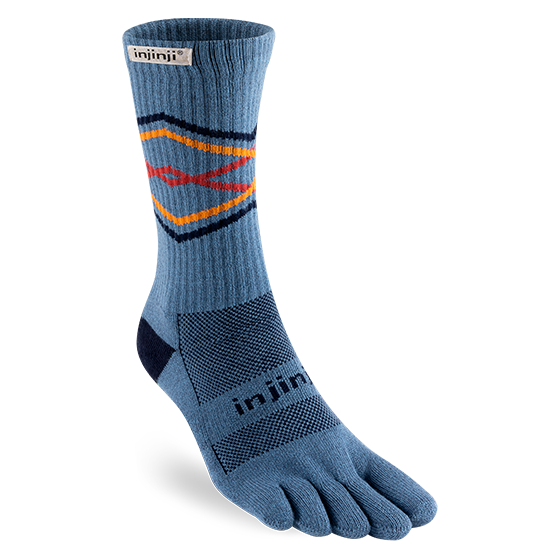
It's tempting to reach for a waterproof shoe in a country this wet. For running, we usually steer people the other way: once water comes over the ankle (and on New Zealand trails it will), a waterproof membrane holds that water in. A quick-draining mesh shoe with a sock that handles moisture will have you comfortable again in minutes. Waterproof versions earn their keep for slower winter tramping, snow, or cold commutes where splash comes from below rather than over the top.
Fit: room at the front, held at the back
Downhills are where trail fit is won or lost. You want enough room in the toebox that your toes can splay and aren't hitting the front on descents, and a heel and midfoot that are properly held so the foot isn't sliding forward to begin with. That combination (roomy up front, secure behind) is exactly the geometry Topo Athletic builds around, and it's why we range them, but the principle applies whatever brand you're in.
Most people go up roughly half a size from their street shoe for trail running, more if they're heading into ultras where feet swell. Use our footwear size guide as a starting point, and check the fit late in the day when your feet are at their biggest.
Drop and stack, briefly
Drop is the height difference between heel and forefoot; stack is the total cushioning under you. Lower drops load the calves and Achilles a little more and tend to suit runners who land midfoot; higher stacks smooth out long days but can feel remote on technical ground. Neither is right or wrong, but change gradually if you're moving to something noticeably lower than what you run in now. You can line up drop, stack and weight side by side with Gear Compare on any shoe page.
Road-to-trail, or properly technical?
If your "trail" is mostly river paths and forestry roads with the odd singletrack detour, a road-to-trail shoe (moderate lugs, road-like cushioning) will be more pleasant than a mud shoe. If you're heading into steep, rooty, wet bush or alpine terrain, prioritise grip and foothold over plushness. Be honest about the split; the wrong assumption is the most common fitting mistake we see.
Try them the way you'll use them
Shoes read differently at walking pace on carpet. If you're in Taupō, come into the showroom: bring your current shoes (worn outsoles tell us a lot) and we'll fit you properly. Shopping from further afield, browse the full trail range, or jump straight to men's or women's trail shoes.
A note on conditions: New Zealand weather and track conditions change fast. Check Department of Conservation alerts for your track before you go, carry what the conditions demand, and let someone know your plans.


Leave a comment
This site is protected by hCaptcha and the hCaptcha Privacy Policy and Terms of Service apply.