
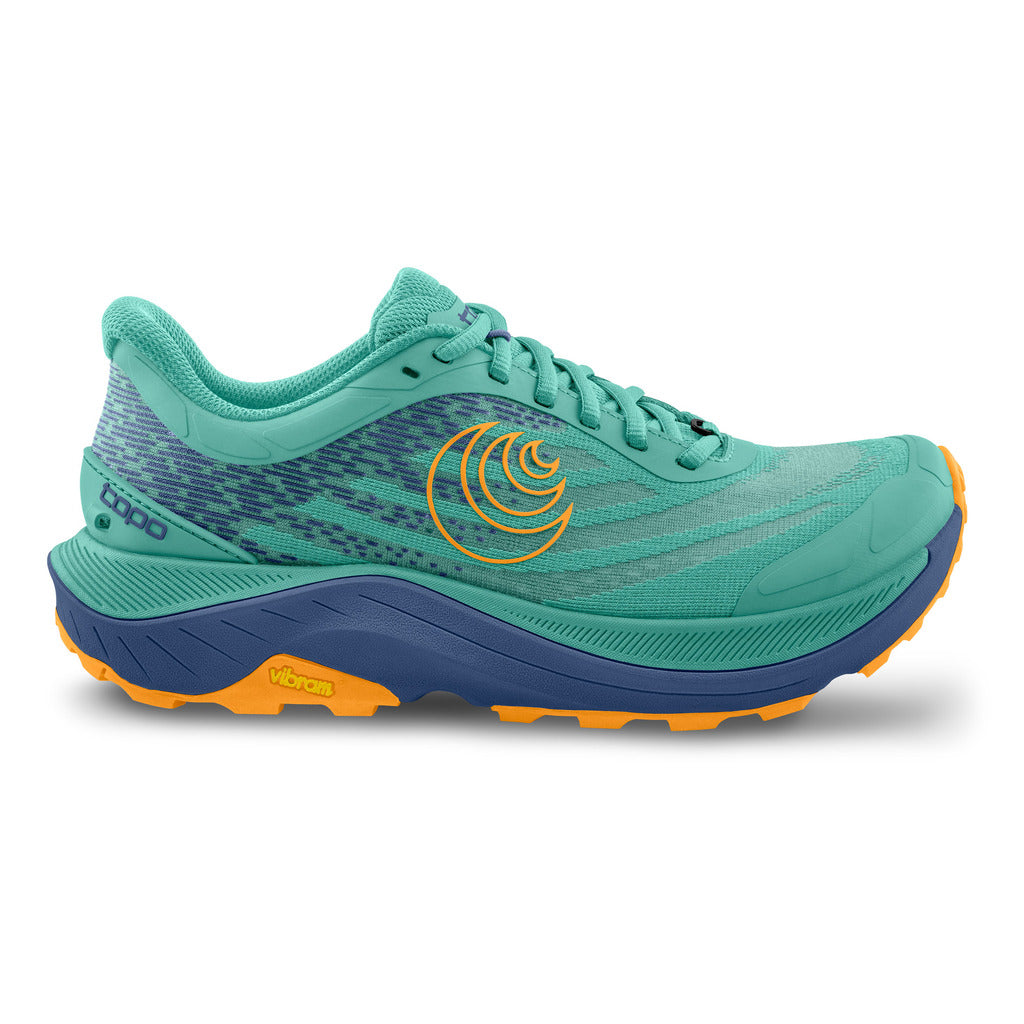




Take your shoes off and look at your foot: widest at the toes, narrowest at the heel. Now look at most running shoes: widest at the ball, tapering to a point your toes are supposed to share. That mismatch is where a lot of running misery starts.
What toes actually do
Your toes aren't passengers. Spread, they widen your base of support, help you balance, and let the big toe do its job on push-off. Squeeze them together for a few hundred kilometres and you invite hot spots, black toenails, numbness between the toes, and pressure on bunions that were already grumpy.
Foot-shaped is not sloppy
The usual worry: "won't a wide toe box feel loose?" A properly built anatomical shoe is wide only where your toes need it, and holds firmly through the midfoot and heel. That combination (locked midfoot, free toes) is exactly what Topo builds, and it's why the shoes corner and climb without your foot swimming. Room up front, security behind it.
Who notices the difference most
Runners and trampers with wider forefeet, anyone managing bunions or toe blisters, long-distance runners whose feet swell late in an event, and people who simply feel cramped in conventional lasts. If your current shoes leave toe-shaped dents in the upper, that's your sign.
How it should fit
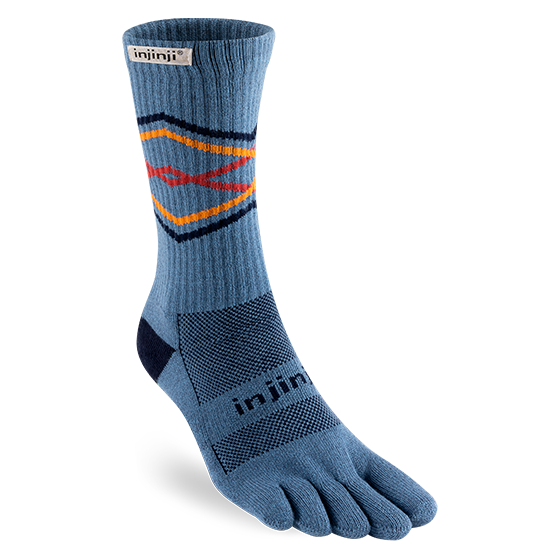
A thumb's width beyond your longest toe, no pressure on the little-toe knuckle, and no heel lift when you walk uphill. Feet are biggest at the end of the day: fit them then, in the socks you actually run in. The Size & Fit Guide walks through it, and each product page carries a Width row in the specs so you can see how each model runs.
Unsure between two widths or models? The showroom in Taupō fits shoes every day: bring your old pair; the wear pattern tells us most of the story.


Leave a comment
This site is protected by hCaptcha and the hCaptcha Privacy Policy and Terms of Service apply.